
"espresso cup temperature"
4000 article(s) found

Coffee common sense what is the temperature change of making a cup of Espresso
A perfect Espresso usually affects its taste and aroma expression due to changes in temperature. So, we have a debate about how to preheat the handle and the filter screen in the extraction of Espresso, but how much does the temperature of the handle and filter affect the Espresso? how much will the Espresso cool down? Here, I'm going to do a little test, hoping to know more about it.

The answer to the question of Espresso's temperature espresso
A perfect Espresso usually affects its taste and aroma expression due to changes in temperature. So, we have a debate about how to preheat the handle and the filter screen in the extraction of Espresso, but how much does the temperature of the handle and filter affect the Espresso? how much will the Espresso cool down? Here, I'm going to do a little test, hoping to know more about it.

Common sense of espresso about the temperature of Espresso
A perfect Espresso usually affects its taste and aroma expression due to changes in temperature. So, we have a debate about how to preheat the handle and the filter screen in the extraction of Espresso, but how much does the temperature of the handle and filter affect the Espresso? how much will the Espresso cool down? Here, I'm going to do a little test, hoping to know more about it.

The Origin of espresso the espresso operation of brewing method
Espresso is interpreted from Italian to mean fast, because espresso is made and sent to customers immediately. Two cups of espresso (double espresso) is used to extract 47-62.5ml (1.5-2oz) coffee from 14-17g coffee powder at 9-10 atmospheric pressure with 88-95C clean water and 22-28 seconds. Espresso drips warm from the filter handle
The production of Italian espresso Espresso
A perfect Espresso is hard to come by. Making a good Espresso can be a challenge for both coffee lovers at home and the experienced Barista in the cafe. Below, we will discuss the various factors that affect Espresso. 1. Coffee beans without good coffee beans, there is no good Espresso. Coffee beans must be fresh. In the case of Espresso

The production of Italian espresso Espresso
Making a good Espresso can be a challenge for both coffee lovers at home and the experienced Barista in the cafe. Below, we will discuss the various factors that affect Espresso. 1. Coffee beans without good coffee beans, there is no good Espresso. Coffee beans must be fresh. In the case of Espresso, coffee extracted from stale coffee beans

How to make espresso coffee How to drink espresso coffee
Professional coffee knowledge exchange More coffee bean information Please pay attention to coffee workshop (Weixin Official Accounts cafe_style) Orthodox espresso production needs to be pressurized during pressure filtration. If semi-automatic or fully automatic machines are used, the machine itself will be pressure controlled. Generally, semi-automatic machines need to be adjusted.
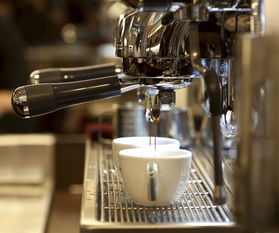
Several factors that determine the quality of Espress
The production of Espresso is an art that requires precision and patience. Maybe it's because there are so many factors that affect the production of Espresso that we can have a lot of fun when we use our brains and emotional hearts to control its complexity. The following 12 factors and problems will directly affect the perfection of Espresso! First, directly affect Espresso1
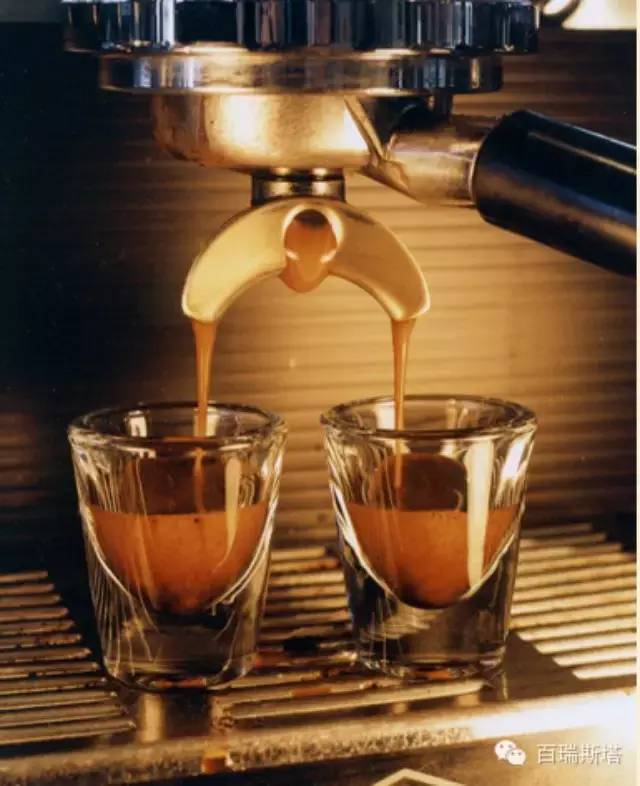
How to make a good espresso at 14:00: how to make a perfect ESPRESSO
Making a good Espresso can be a challenge for both coffee lovers at home and the experienced Barista in the cafe. Below, we will discuss the various factors that affect Espresso. 1. Coffee beans without good coffee beans, there is no good Espresso. Coffee beans must be fresh. In the case of Espresso, coffee extracted from stale coffee beans
Espresso Common sense about the temperature of Espresso
A perfect Espresso usually affects its taste and aroma expression due to changes in temperature. So, we have a debate about how to preheat the handle and the filter screen in the extraction of Espresso, but how much does the temperature of the handle and filter affect the Espresso? how much will the Espresso cool down? Here, I'm going to do a little test, hoping to know more about it.
Several points that should be paid attention to in making espresso Espresso
Making a good espresso can be a challenge for both coffee lovers at home and experienced baristas in the cafe.

The production of Espresso is a technical work.
The Espresso boiled at the ideal water temperature is dark reddish brown, with dark brown spots on the surface of the foam (called "el tigre" by the Italians), and the foam should be more than 4mm thick.

A cup of strong espresso coffee is the right temperature.
Espresso common temperature: 90.5 degrees Celsius forget who measured this temperature, may be the result of a long-term trial, just like traditional Chinese medicine, rituals and experience all play a role. If the temperature is lower than this, espresso will become sour, while higher will be bitter. This is not a casual fool. There was a time when the temperature of my coffee machine was as low as 80 degrees, es.
Coffee common sense A cup of strong espresso coffee is the right temperature.
Espresso common temperature: 90.5 degrees Celsius forget who measured this temperature, may be the result of a long-term trial, just like traditional Chinese medicine, rituals and experience all play a role. If the temperature is lower than this, espresso will become sour, while higher will be bitter. This is not a casual fool. There was a time when the temperature of my coffee machine was as low as 80 degrees, es.

Coffee common sense several points that should be paid attention to in making espresso Espresso
Making a good espresso can be a challenge for both coffee lovers at home and experienced baristas in the cafe. So to make a perfect espresso we should consider the following factors! [1] Bean requirements: no good coffee beans, no good espresso. Coffee beans must be fresh. Take espresso, for example.
The production of high-quality coffee learning Espresso is a technical work.
The Espresso boiled at the ideal water temperature is dark reddish brown, and the foam on the surface will have dark brown spots (known as el tigre in Italy), and the foam should be more than 4mm thick. Production of Espresso: generally speaking, large coffee beans can produce better coffee. Under the condition that the quality of coffee beans is fully assured, first of all,
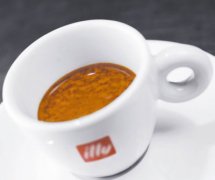
The production of Espresso
Production of Espresso: generally speaking, large coffee beans can produce better coffee. In the case that the quality of coffee beans has been fully assured, the first technical problem to be solved is blending. Blending refers to the selection of coffee beans of different origin and quality to achieve the desired results. The matching technocrat believes that 50% of the success factors of a perfect Espresso depend on the composition of the match.
Boutique Coffee about Espresso Coffee
ESPRESSO COFFEE: the first basic concept of Professional Techniques- (Ⅰ) is to build a knowledge structure-just a bunch of facts, just a bunch of facts. Theory is the skeleton of fact. The past experience of teaching others to cook espresso has taught me one thing: if you start teaching, tell the newcomer Guan
What is the difference between a single and double espresso?
Professional coffee knowledge exchange More coffee bean information Please pay attention to coffee workshop (Weixin Official Accounts cafe_style) Italian espresso coffee (ESPRESSO), Italian in 1901, invented the use of air pressure espresso machine, and obtained a patent. espresso coffee is extracted in a short time by high temperature and pressure, and there is a thick layer of coffee fat,

You need to know the technical work of making Espresso coffee. What beans do you use to brew Espresso coffee?
Generally speaking, large coffee beans can produce better coffee. In the case that the quality of coffee beans has been fully assured, the first technical problem to be solved is blending. Blending refers to the selection of coffee beans of different origin and quality to achieve the desired results. The matching technology school believes that 50% of the success factors of a perfect Espresso depend on the composition and quality of the match. no